What are your thoughts on the Berlin art scene in relation to a collectors’ scene?
Marta Gnyp: Berlin is a fantastic place to live, with a ‘poor but sexy’ reputation and with an art scene that is one of the city’s main selling points. There’s a big artistic community, plenty of galleries with fantastic exhibitions, but the collectors’ scene is poor and not really sexy. Most of my clients are based outside of Berlin, with one or two exceptions.
The art world should work on attracting people outside the typical art crowd. I think it’s necessary for galleries to start including people who show an interest in art and culture in general, but aren’t directly involved in the current art discourse. I am interested in people that aren’t collectors yet.
The art world can seem intimidating for people outside of the art scene: what is your advice for starting collectors?
Marta Gnyp: You often hear that galleries are intimidating spaces, which I understand. When you walk into the gallery, you are often the only person in an empty room with a silent assistant behind the computer screen. The space is full with horrible works that you don’t understand, but you think you are supposed to have an opinion ready about the art you see. The truth is that it’s very difficult to have a full-formed meaning about artworks, and that even specialists need time to read about the artist and the work, digest, and reflect before saying something meaningful.
Taking on many roles gives me a great insider's perspective that results in solid and diversified knowledge about art and the art world
My advice is to use the gallery as the best place to educate yourself. Galleries are art luxury retreats: you can just walk in without having to pay an entrance fee, without an appointment, you have personal one-to-one contact with someone who can tell you about the artist and artwork and you can ask anything you want. Just try not be intimidated by on occasion weird artworks and the gallery’s sacral atmosphere. Start with something that you like. I am convinced that after a few gallery visits you start getting a better sense of what contemporary art is and develop your taste. Besides galleries, make sure you visit a lot of museums.
There are also art fairs, but I don’t think that’s the best place to start getting involved in art. Fairs are primarily market places with a very strong commercial focus, so the amount of works on display and the huge crowds can be overwhelming. The people at the gallery booths are there to sell, and you might feel that they don’t have time for you if they think you aren’t there to buy. At art fairs people are also more inclined to talk about prices than about the art itself.
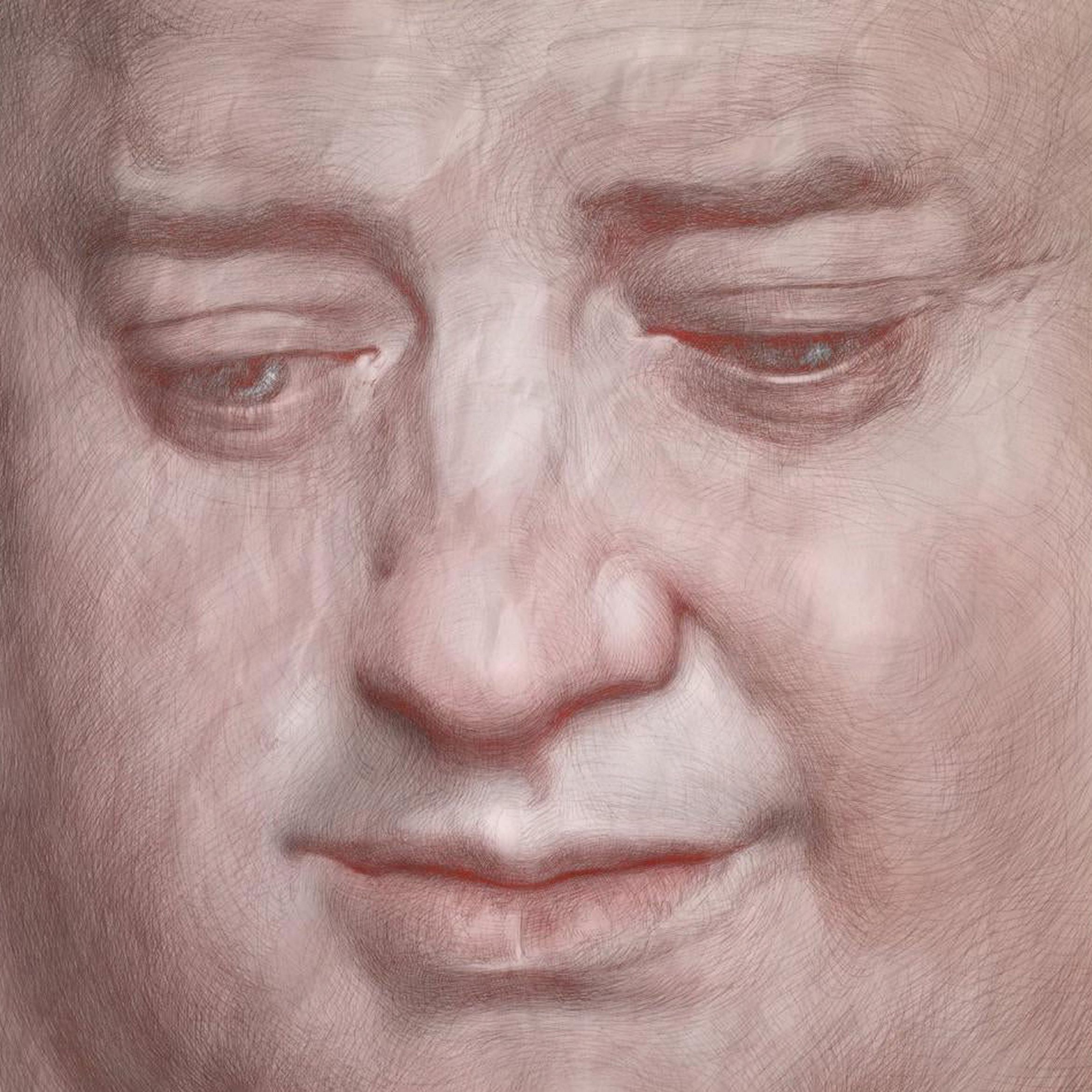
Susumu Kamijo I'll Follow You To The Sunset, solo show at GNYP Gallery
Why do you think that most young collectors have a tendency to collect contemporary art?
Marta Gnyp: Contemporary art gives you a very clear link to your own time. To young people, contemporary art might be more interesting since they understand the context and it directly relates to their experiences and lives. You often need more art historical knowledge to truly appreciate a 19th century landscape for example.
Furthermore, there’s a great appeal to being able to engage with the artists and creating this emotional bond between artist and collector. When you start collecting work by an emerging artist, you can grow with the artist and witness the development of the artist’s work and career. It is amazing to being able to say that you’ve been following a successful artist since the beginning of her or his career. Their success rubs off on you as a collector, and ‘discovering’ an artist gives you a certain prestige. So there’s the psychological speculative aspect that’s exciting when buying work by young artists. As a collector, you hope that their career will crystallize and their work will increase in cultural, artistic and perhaps also financial value.
Katherina Olschbaur The Divine Hermaphrodite, solo show at GNYP Gallery
Katherina Olschbaur The Divine Hermaphrodite, solo show at GNYP Gallery
How do you collect yourself? What catches your eye when you are looking to buy a work?
Marta Gnyp: Some collectors have very preconceived ideas about the concept of their collection, where others just buy what they like, and only after 20 years they would recognize a certain red thread in their collection. The latter is the case in my collection. The privilege of my situation is that I work with artists that I like a lot so I will always buy a work for myself from our exhibitions in Berlin.
I am often attracted to powerful visual appearance and ideas, rather than to artworks that explore current art theoretical discourses. In terms of media I collect everything, from painting and drawing, to sculpture and installation. The very important aspect I pay attention to when buying art, is whether it helps me understand human psychology and today’s zeitgeist. I really like the energy of the ‘now’ and I believe that art can be a powerful instrument to try and understand what’s going on.
Gina Beavers Ambitchous, solo show at GNYP Gallery
For more info about current and past shows at GNYP Gallery run by Marta Gnyp visit gnypgallery.com