Bio
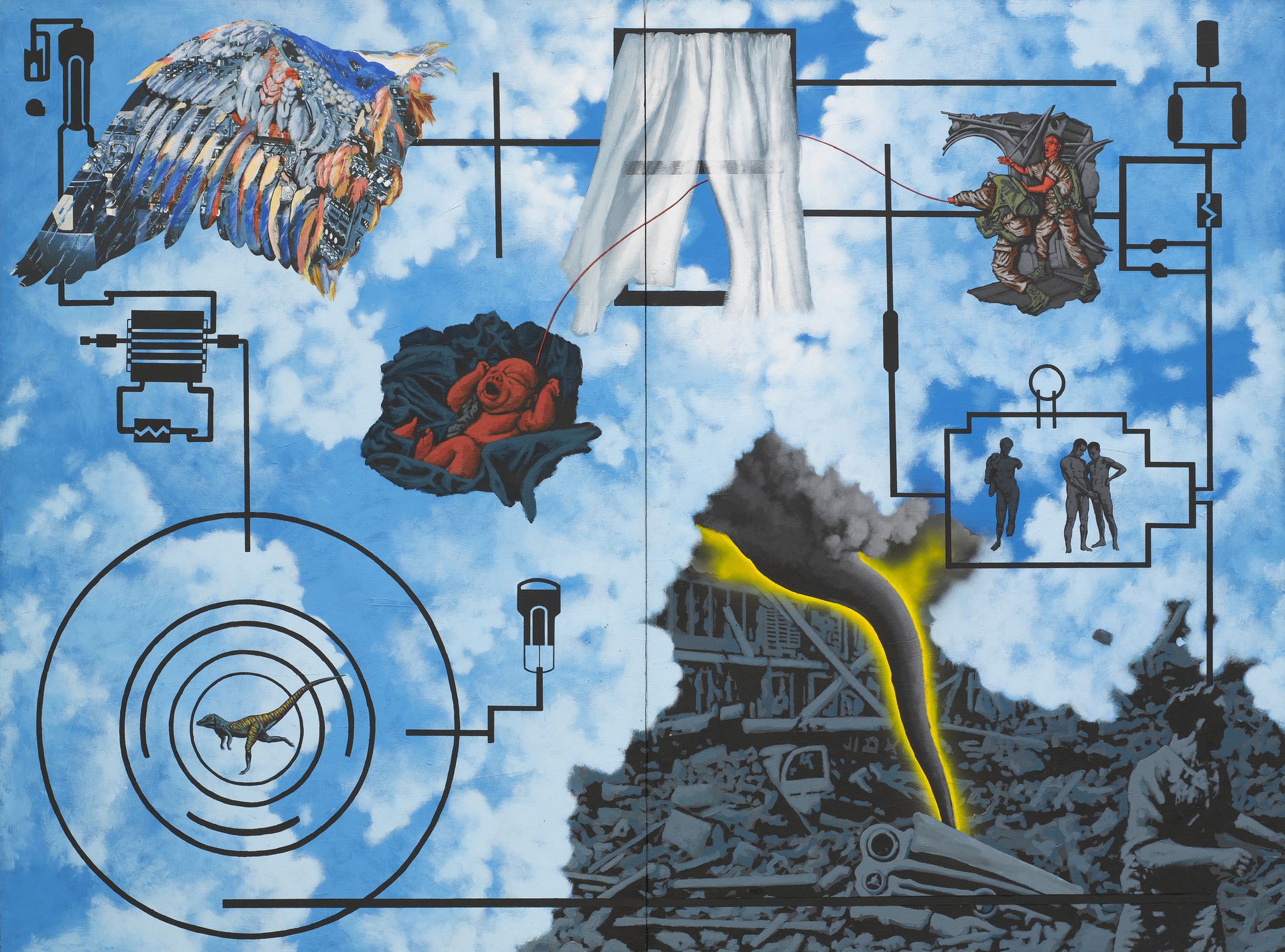
David Wojnarowicz (1954–1992) was an American multidisciplinary artist whose work spanned painting, photography, writing, film, performance, and music. Emerging from New York City's East Village art scene in the late 1970s and 1980s, he created powerful works that explored identity, sexuality, social injustice, and personal experience. Following his HIV/AIDS diagnosis, his art became an urgent form of activism, challenging government inaction and public stigma during the AIDS epidemic. Through bold imagery and deeply personal storytelling, Wojnarowicz became one of the most influential voices in contemporary American art, leaving a lasting legacy as both an artist and an advocate.
Beginning in the late 1970s, David Wojnarowicz (1954–1992) created a body of work that spanned photography, painting, music, film, sculpture, writing, and activism. Largely self-taught, he came to prominence in New York in the 1980s, a period marked by creative energy, financial precariousness, and profound cultural changes. Intersecting movements—graffiti, new and no wave music, conceptual photography, performance, and neo-expressionist painting—made New York a laboratory for innovation. Wojnarowicz refused a signature style, adopting a wide variety of techniques with an attitude of radical possibility. Distrustful of inherited structures—a feeling amplified by the resurgence of conservative politics—he varied his repertoire to better infiltrate the prevailing culture.