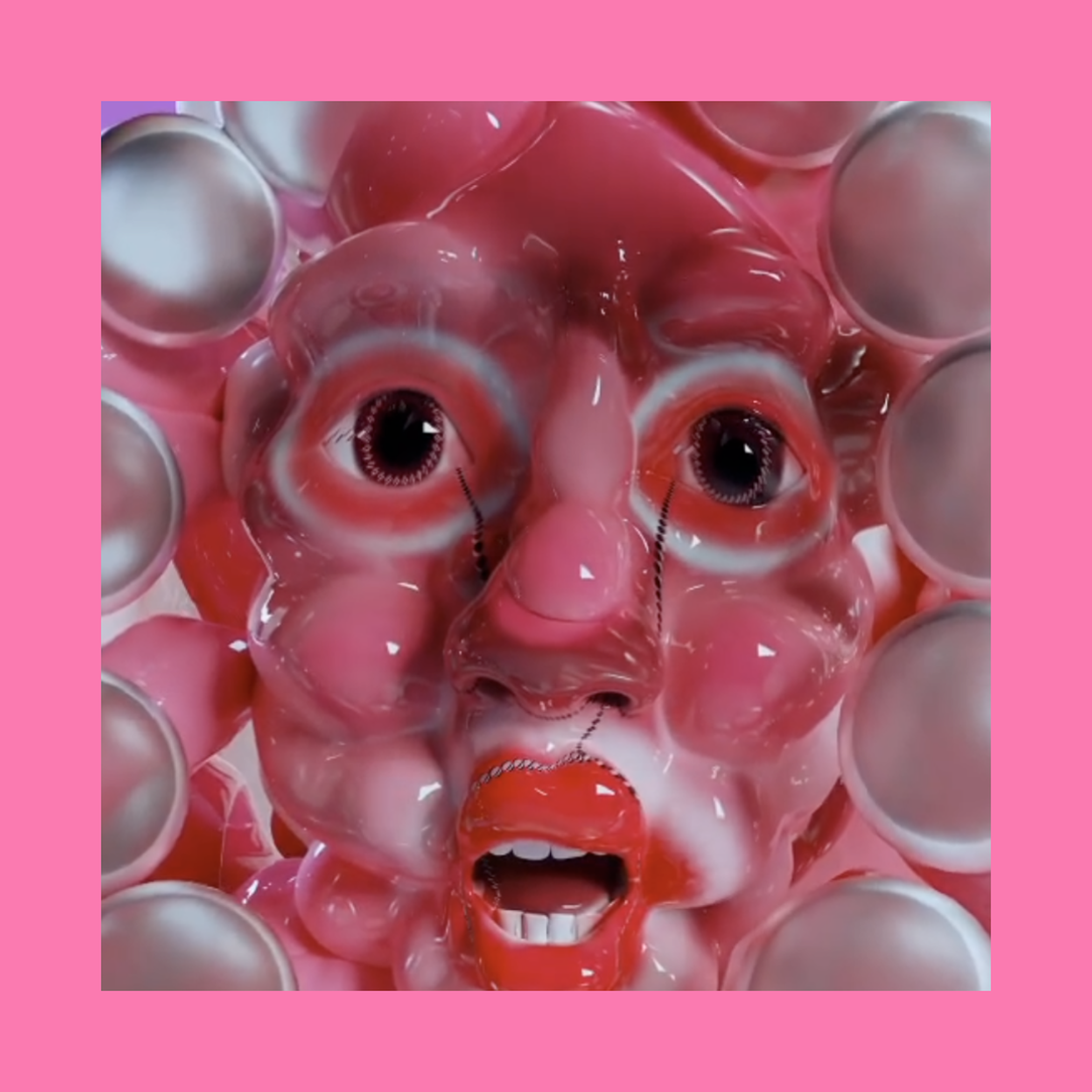
Artificial intelligence is changing the face of every industry. Does it spell the end for artists, or is it a logical next step?
Art programs powered by artificial intelligence are trained on enormous data sets of existing art. They create images based on prompts. In theory, the AI only mimics the patterns of existing art. But what happens when the output looks like the work of a real artist? Is that a copyright violation?
There's a fine line between inspiration and copying, and AI stomps all over it.
poodiddlydoo, commenting on The Verge
AI-generated ‘Théâtre D’opéra Spatial’ by Jason M. Allen, awarded first prize at the Colorado State Fair Fine Arts Competition.
A new wave of lawsuits is beginning. Artists are suing the companies and individuals behind AI programmes, who they feel have unfairly used their work. The outcomes will likely set precedents for intellectual property in the age of technology.
Imitation has been a cornerstone of art since the Renaissance. Many postmodern artists even rebelled against the concept of originality. But when does inspiration become appropriation? When Andy Warhol debuted his Brillo boxes, the world was enamoured with his ingenuity. His meticulous recreation of an existing product changed the very definition of art.
Andy Warhol with his Brillo boxes at Moderna Museet, Stockholm in 1968
Another Warhol creation, however, is proving much more controversial. The US Supreme Court is hearing the copyright case of the photographer, Lynn Goldsmith, whose photo of Prince was used by Warhol in 1984 for a series of silkscreens.
1981 Portrait of Prince by Lynn Goldsmith (left) and 16 silkscreen reproductions by Andy Warhol (right)
This might seem far removed from AI lawsuits but the fundamental questions are the same. How we address them shows how precarious the definition of ‘fair use' is.
Firstly, who is considered an artist? The AI? The user who supplies the prompt? The photographer? The Brillo box designer? Secondly, if the Brillo box, or the urinal in Marcel Duchamp’s Fountain, could be transformed by a change in context and definition, then is the same not true for a photograph that becomes a series of silkscreens? Or the AI algorithm that melds and transforms existing artworks?
Appropriation has been a fact of the art since its inception, long before there were intellectual property laws to decide who owns what. Inspiration does not exist in a vacuum, and it is rare for either artificial or organic intelligence to create something truly new. But how far is too far? How do we secure a non-exploitative future for art? How do we litigate technology that moves faster than we can understand? Should we let art run its course?
Finally, should we rely on the Supreme Court or ChatGPT to tell us?
Go Deeper
This article by The Verge details an ongoing AI art lawsuit.
American Scientist explores the who, what and why of AI art.
The New Yorker reports on the Supreme Court's "self conscious" response to an intellectual property case raised against Andy Warhol.
Have thoughts?
Avant Essays are short(ish) opinions on art, written by anyone with an opinion on art. Have something to say? Get in touch.